When it comes to building a strong SEO presence, backlinks remain one of the most powerful tools at your disposal. But not all backlinks are created equal. That’s why discovering the ultimate FREE backlink value estimation tool was a game-changer for me. It doesn’t just hand you numbers—it shows you which links are worth chasing and which ones are likely to fizzle out. The clarity it brings to backlink evaluation makes strategic planning feel less like guesswork and more like an informed process. 🔍

Many marketers focus on the quantity of links rather than their quality. But as anyone with experience in SEO knows, a few high-value links can far outweigh dozens of mediocre ones. This is where SEORater shines. Its platform allows you to evaluate the potential SEO impact of any backlink, especially those placed on a website’s homepage.
Step 1: Understanding Homepage Backlinks
Before diving into the tool, it’s important to grasp why homepage backlinks are so impactful. A link on a homepage generally carries more authority than one buried deep in a blog post. This is because homepages are often the most trusted and trafficked pages on a domain. Links here pass significant link equity, meaning they can influence your entire site’s authority and search ranking potential. 🏠
Not every homepage backlink is automatically valuable, though. Some sites may have penalties, low trust scores, or irrelevant content. SEO Rater’s ratings help distinguish between high-impact links and those that might be a waste of effort—or worse, potentially risky.
Step 2: Setting Up Your SEO Rater Account
Getting started with SEORater is surprisingly easy. The interface is clean, user-friendly, and intuitive. Here’s a quick walkthrough:
- Visit the Homepage – Go to SEORater and sign up for a free account.
- Select Your Tool – Navigate to the Homepage Backlink Rating section.
- Enter the URL – Paste the website where your link is or will be placed.
- Analyze – The tool aggregates data from multiple SEO metrics and gives you a clear rating.
What I particularly appreciate is that you don’t need to interpret multiple conflicting metrics from other tools. SEORater presents a unified score that’s immediately actionable. 📊
Step 3: Interpreting the Backlink Rating
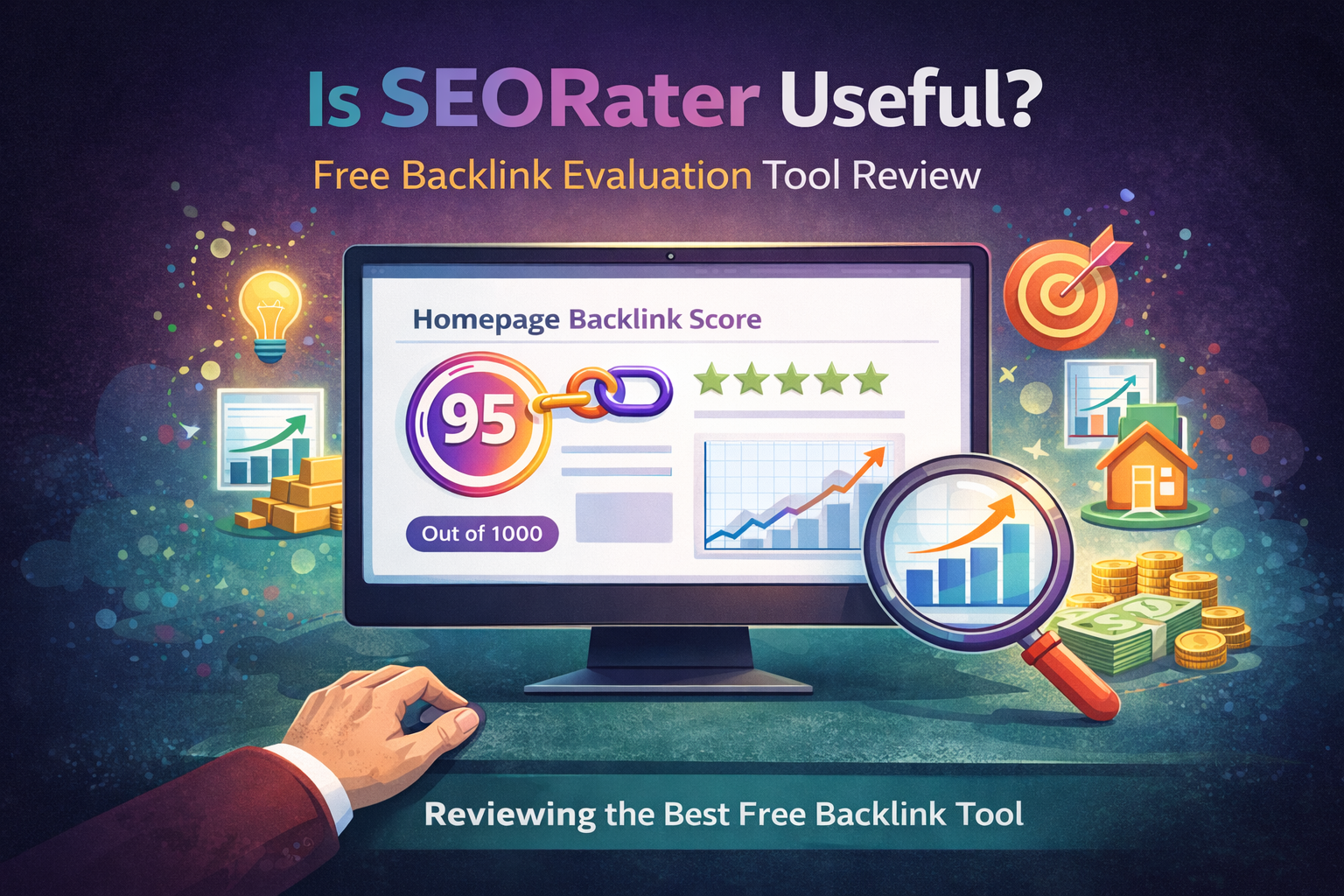
Once you enter a homepage URL, SEORater evaluates it based on several factors: domain authority, traffic metrics, link placement, and relevance. These elements combine into a single, points-based rating.
Here’s how I approach it:
- High Ratings – Prioritize these links in your strategy. They offer the most potential for improving your rankings.
- Medium Ratings – Evaluate these carefully. Sometimes they’re worth negotiating, other times not.
- Low Ratings – Usually safe to skip, unless there’s a strategic reason to pursue the link.
A simple color-coded or points system makes decisions faster and prevents analysis paralysis. 🟢🟡🔴
Step 4: Maximizing Link Equity
With your ratings in hand, the next step is maximizing link equity. This means focusing your efforts on the links that carry the most weight. For example, securing just a handful of high-rated homepage backlinks can dramatically improve your site’s authority, often more than dozens of low-rated links.
I like to visualize it as investing money. You wouldn’t spend a fortune on stocks with questionable returns; the same logic applies to backlinks. Prioritize the links that offer the best long-term ROI. 💰
Step 5: Strategic Budgeting for Link Building
Budgeting for backlinks is always tricky. You want to get maximum impact without overspending. SEORater’s insights help with this. Knowing the value of a homepage backlink allows you to decide whether to invest time, outreach efforts, or financial resources.
For example, if a link has a high rating, it might justify paying a premium or offering reciprocal value in collaboration. Medium-rated links can be pursued at lower effort, while low-rated ones can often be skipped entirely. 🎯
Step 6: Negotiating Partnerships
When you know the true SEO value of a link, you have leverage in negotiations. Whether you’re discussing terms with a partner site or arranging a sponsored placement, having a data-backed rating allows you to make stronger cases for favorable deals.
It’s amazing how often this alone shifts conversations. Suddenly, you’re not just requesting a link—you’re negotiating based on potential SEO impact. This turns the interaction from a vague favor into a strategic business decision. 🤝
Step 7: Risk Management
Not all links are beneficial, and some can even harm your SEO. Low-quality or penalized sites can drag your rankings down. SEORater helps mitigate this risk by providing insights into homepage authority, domain health, and relevance.
I’ve used it to avoid several links that looked promising on the surface but had hidden risks. Over time, these small decisions compound into a healthier, more resilient backlink profile. 🛡️
Step 8: Tracking and Measuring Performance
The next step is continuous tracking. After acquiring links, keep an eye on how they impact your rankings and traffic. SEORater makes it easier to monitor performance because you can compare scores and see which links deliver real results.
I recommend a simple spreadsheet: list the link, its rating, acquisition date, and observed impact on rankings. This allows you to replicate successful strategies and avoid repeating mistakes. 📈
Step 9: Gaining Competitive Advantage
Backlink strategy isn’t just about following trends—it’s about staying ahead of competitors. Many sites focus on volume over quality. By using SEORater to identify top-rated homepage links, you can capture opportunities others overlook.
Over time, this proactive approach translates into higher visibility, stronger domain authority, and better search rankings. It’s a subtle advantage, but it compounds faster than any generic backlink strategy. 🥇
Step 10: Using Insights to Refine Your Strategy
Finally, use SEORater’s data to refine your overall SEO approach. Beyond individual links, look for patterns:
- Are certain industries giving higher-rated homepage links?
- Do specific domains repeatedly offer valuable opportunities?
- How do your link acquisition methods correlate with rating scores?
These insights let you iterate on your strategy instead of relying on guesswork. SEO becomes less about luck and more about informed decision-making. 🧩
Step 11: Combining with Other Tools
While SEORater is incredibly powerful on its own, it works best in combination with other SEO insights. Use it alongside keyword research, content audits, and competitor analysis. Together, you’ll have a holistic view of what drives ranking improvements.
This ensures that your link-building efforts are aligned with broader SEO goals, making every backlink acquisition purposeful and measurable. 🌐
Conclusion: Why SEORater is a Must-Have
Backlink strategy can feel overwhelming, but SEORater makes it manageable. Its ability to evaluate homepage backlinks, provide a clear rating, and guide strategic decisions is unmatched for a free tool.
By following this step-by-step approach, you’ll be able to:
- Identify high-value homepage backlinks
- Make informed link-building decisions
- Avoid risky links
- Track performance and refine your strategy
- Gain a competitive edge
It’s not just a tool; it’s a partner for your SEO journey. And the best part? It’s free, intuitive, and immediately actionable. 🛠️
If you’re serious about improving your site’s authority, reducing wasted effort, and building a smarter backlink portfolio, SEORater deserves a place in your toolkit.