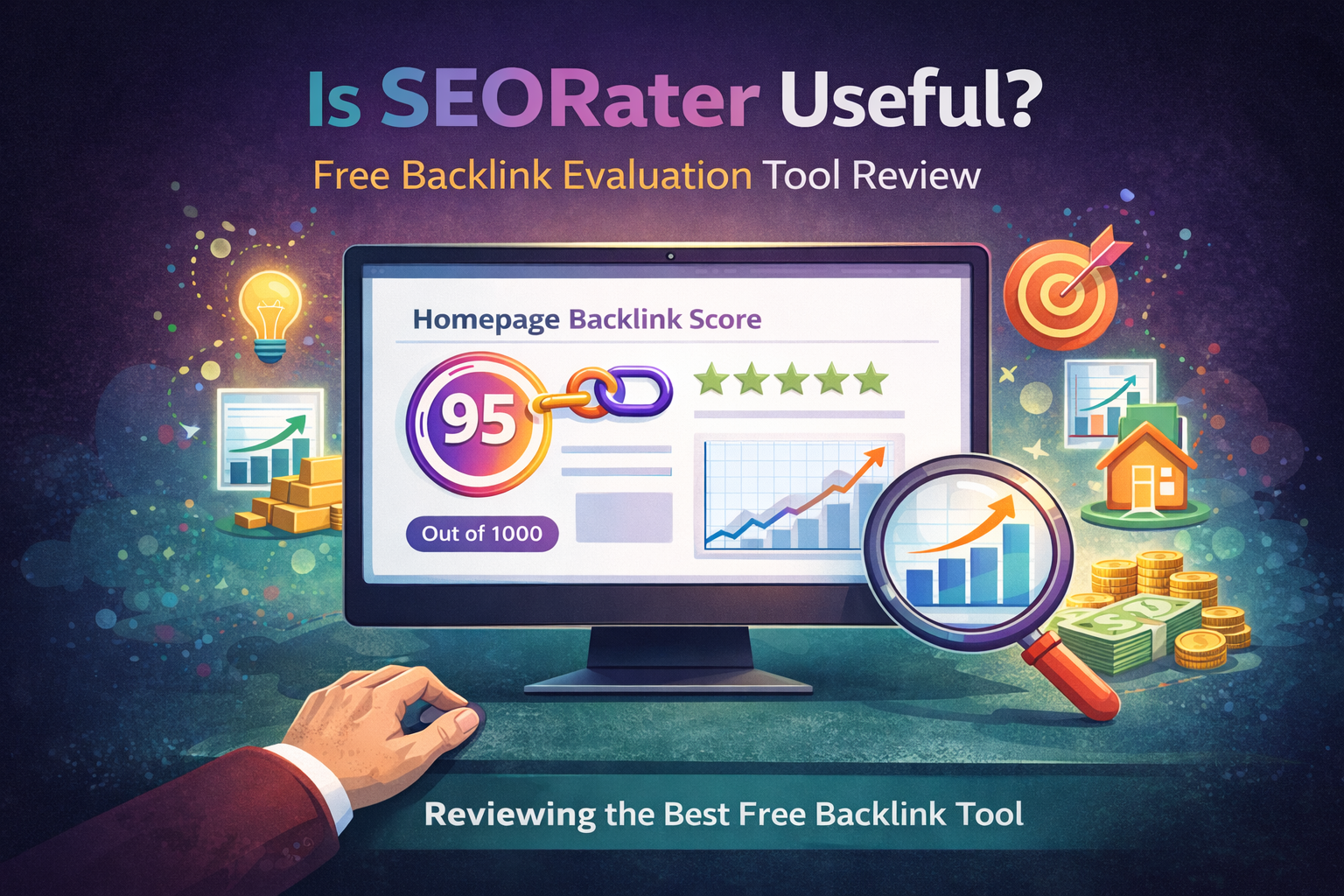
In the constantly shifting landscape of search engine optimization, tools come and go, trends rise and fall, but certain concepts quietly grow in importance until they become unavoidable. One of those concepts today is backlink value — not just the number of links, but their true weight. This is exactly where the Rating Tool begins to draw serious attention among marketers, bloggers, and agency professionals who are tired of guessing and ready for measurable clarity 🔍

Unlike the wave of overly complex SEO platforms that bury users under dashboards filled with jargon, SEO Rater has been gaining recognition for doing something deceptively simple: translating backlink strength into a clear, understandable score. That simplicity is not accidental. It reflects a broader shift in how SEO professionals approach link building — less obsession with quantity, more focus on strategic value. In news cycles covering digital marketing tools, this shift has been repeatedly highlighted as a defining direction for the coming years 📊
Homepage Backlinks: The Quiet Powerhouses of SEO
While many SEO discussions revolve around blog posts, guest articles, and directory submissions, homepage backlinks occupy a unique and often underestimated position. A homepage is, by nature, the central authority hub of any domain. When a backlink is placed there, it doesn’t just transfer value to a single page — it subtly influences the entire domain’s perceived credibility.
Industry analysts increasingly describe homepage backlinks as “multipliers.” Instead of offering linear benefits, they tend to amplify overall domain strength. This is why evaluating them accurately matters. A weak homepage backlink might offer minimal impact, while a strong one can quietly lift rankings across multiple keywords without obvious correlation. The challenge has always been separating those two scenarios with confidence rather than intuition 💡
From Guesswork to Data-Driven Decisions
For years, link building involved a mixture of spreadsheets, third-party metrics, and educated guesses. SEO professionals would cross-reference domain authority scores, traffic estimates, spam indicators, and still feel uncertain about the final verdict. The introduction of aggregated rating systems represents a turning point — not because they replace expertise, but because they compress complexity into something actionable.
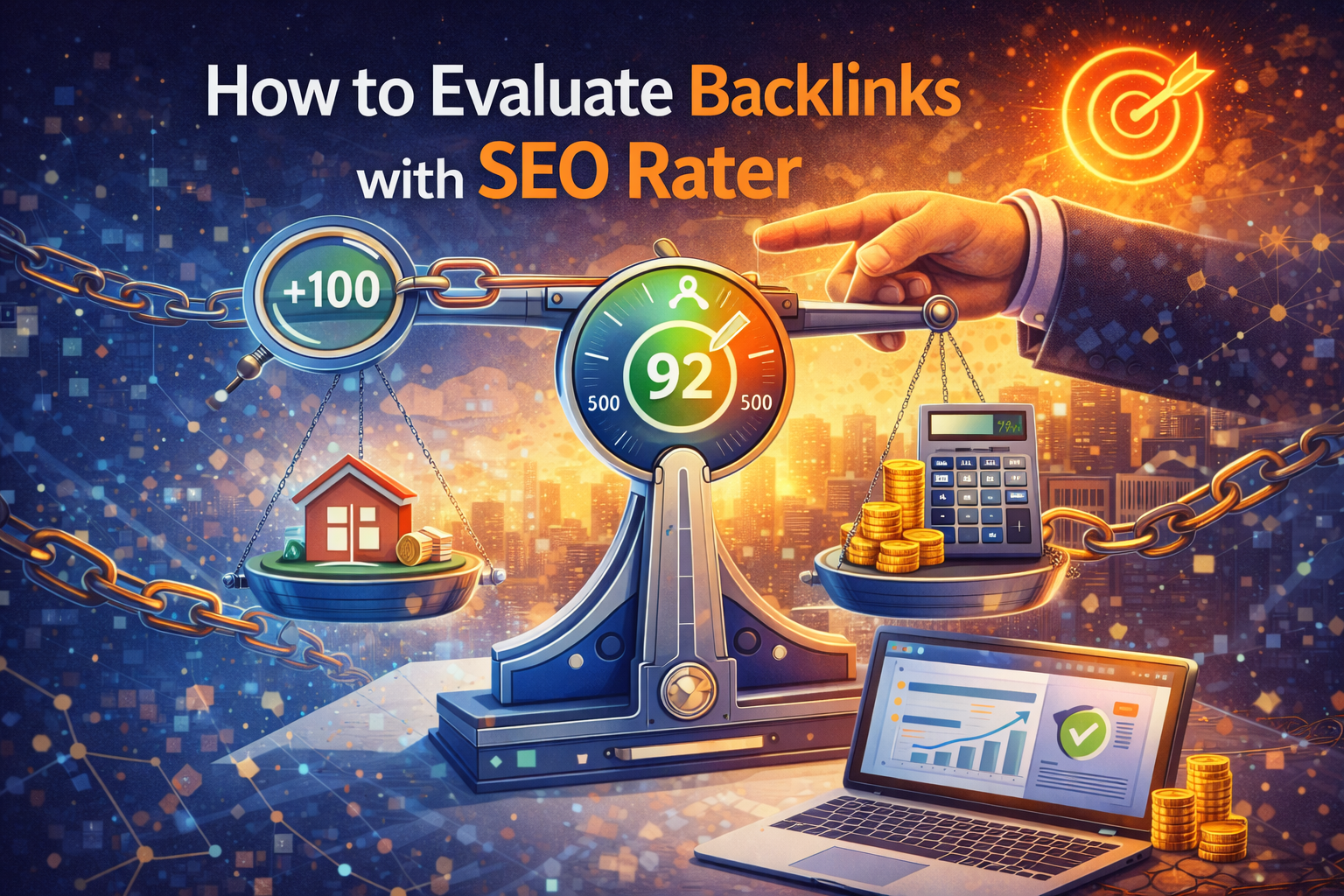
The significance of a backlink is no longer measured solely by reputation metrics from one platform. Instead, the modern approach blends multiple evaluation sources into a single rating, making comparisons easier and negotiations clearer. When professionals talk about “clarity” in SEO today, this is what they mean: fewer abstract numbers, more meaningful context 📈
Strategic Investment in Link Building
Budget allocation has always been one of the most sensitive aspects of SEO campaigns. Companies often hesitate to invest heavily in backlinks without a reliable method to forecast potential returns. The ability to estimate backlink value transforms link building from a speculative expense into a strategic investment.
When marketers can identify which homepage backlinks are genuinely worth pursuing, they avoid the trap of spreading resources too thin. Instead of buying or negotiating dozens of mediocre placements, they can focus on fewer, higher-impact opportunities. This strategic concentration often leads to better long-term results and stronger brand authority — a shift that many SEO consultants now openly advocate 💰
Negotiation Power and Partnership Dynamics
Another subtle yet powerful effect of accurate backlink evaluation lies in negotiations. When two website owners discuss collaboration, sponsorships, or link exchanges, the conversation often drifts into subjective territory. Without a shared reference point, discussions become opinion-based rather than data-driven.
Introducing a rating metric changes the tone entirely. Suddenly, both parties have a measurable figure to consider. This transparency reduces misunderstandings and allows negotiations to focus on mutual value rather than vague promises. In professional SEO circles, this evolution is often described as the “maturation” of link partnerships — less speculation, more structure 🤝
Risk Awareness in an Era of Algorithm Sensitivity
Search engine algorithms are increasingly sophisticated, and penalties for poor-quality backlinks remain a real concern. What once passed unnoticed can now trigger ranking drops or visibility issues. As a result, risk management has become an integral part of SEO planning.
Understanding backlink value is not only about finding strong opportunities; it is equally about avoiding harmful ones. A homepage backlink from a suspicious or poorly maintained site may appear attractive at first glance, but its hidden risks can outweigh short-term benefits. Tools that highlight value and credibility help SEO professionals make safer decisions, reinforcing sustainable growth instead of risky shortcuts ⚠️
Performance Tracking and Long-Term Insights
SEO is rarely about instant wins. It is a process measured over months rather than days. Tracking the value of homepage backlinks over time provides insights that go beyond simple rankings. It reveals patterns — which types of partnerships yield results, which industries offer stronger link equity, and how certain strategies evolve in effectiveness.
This longitudinal perspective is becoming increasingly important in modern digital marketing. Instead of reacting to short-term fluctuations, professionals analyze trends and adjust their approach with patience and precision. The ability to quantify backlink impact transforms SEO from reactive experimentation into strategic planning 🧭
Competitive Advantage Through Informed Decisions
Competition in search results is relentless. Businesses that rely on outdated methods or purely instinctive decisions often find themselves overtaken by more data-driven competitors. Knowing the real value of homepage backlinks can create a meaningful edge.
When one company secures a handful of high-quality homepage placements while another accumulates dozens of mediocre links, the difference may not be immediately visible. Over time, however, search engines recognize authority patterns, and the advantage becomes evident. The competitive edge lies not in working harder, but in working smarter — focusing on impact rather than volume 🚀
The Broader Industry Perspective
The growing attention toward backlink valuation tools is not happening in isolation. Industry publications, marketing conferences, and online communities frequently discuss the need for clarity and simplification in SEO workflows. Professionals increasingly prefer tools that streamline decision-making rather than complicate it.
This broader trend reflects a maturity phase within digital marketing. Instead of chasing every emerging metric, the community is consolidating around practical indicators that genuinely influence performance. Homepage backlink ratings, aggregated evaluation systems, and accessible scoring models are all part of this shift toward efficiency and transparency 🌐
A Tool Aligned With Modern SEO Priorities
In the end, what makes backlink evaluation tools relevant is not novelty but alignment with current priorities. SEO professionals today seek reliability, speed, and interpretability. They want insights that guide action rather than overwhelm them with complexity.
The emphasis on homepage backlink value mirrors a deeper understanding of how authority flows within search ecosystems. As search engines continue refining their algorithms, the importance of quality signals will only increase. Tools that highlight those signals clearly are likely to remain central to SEO strategies for years to come 📌
Looking Ahead
The conversation around backlink value is far from over. As digital marketing evolves, new metrics will emerge, algorithms will adapt, and strategies will shift. Yet the core principle — understanding the true worth of a link — will remain fundamental.
For businesses, bloggers, and agencies alike, the message is becoming clearer with each passing year: informed decisions outperform guesswork. In a world where visibility determines opportunity, the ability to evaluate homepage backlinks accurately is not just helpful — it is increasingly essential.