If you’ve ever tried to make sense of your backlinks and their impact on your site, you know it can feel like chasing shadows. I’ve spent hours, days, even weeks, scrolling through various tools, trying to figure out which links actually move the needle. That’s where SEO Rater comes in—a game-changer in understanding not just where your links are, but how much they’re worth to your SEO strategy.
Imagine having a tool that doesn’t just spit out numbers but gives you actionable insight into your backlink profile. That’s exactly what the backlink value estimation tool does. It’s free, it’s accurate, and frankly, it’s the kind of tool that makes you wonder why no one thought of it sooner.
Why Homepage Backlinks Are Still King
One of the first things I realized when diving into SEO Rater is how critical homepage backlinks are. The homepage isn’t just a random page—it’s the core of your website’s authority. Links placed here carry significantly more weight compared to internal pages. When you secure a homepage backlink from a reputable site, you’re essentially getting a high-octane boost in link equity, which can ripple across your entire domain.
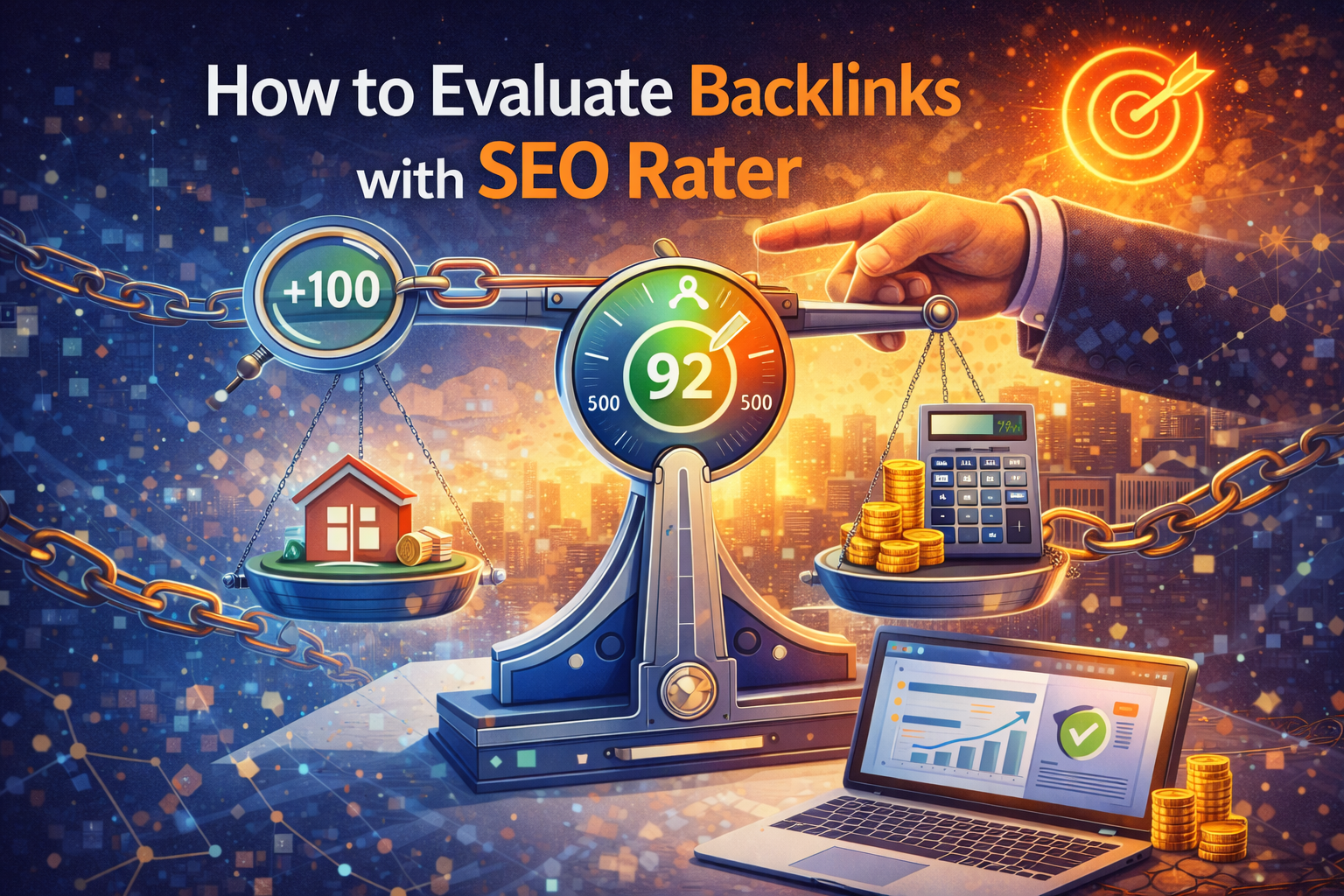
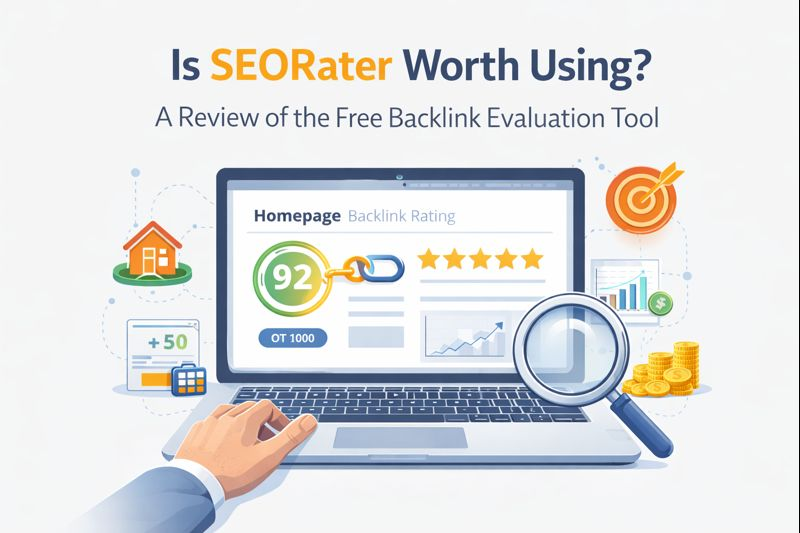
But here’s the kicker: not all homepage links are created equal. Some sites look authoritative at first glance, but a closer inspection shows they might be risky or just plain ineffective. SEO Rater’s Homepage Backlink Rating feature lets you cut through the noise. By evaluating the quality and potential impact of each homepage link, you can make decisions that are not only strategic but backed by data. It’s like having a personal SEO advisor in your pocket, silently whispering which links are worth chasing and which ones to skip.
Turning Data into Decisions
We all know that SEO isn’t just about having links—it’s about having the right links. And this is where SEO Rater truly shines. Its algorithm aggregates data from multiple leading SEO metrics to produce a single, comprehensible rating for each backlink. You’re not left staring at a dozen conflicting numbers or guessing what a metric means. Instead, you get a clear picture of how much that backlink can impact your rankings.
For me, this changed the game. I started prioritizing backlinks that genuinely added value rather than chasing every opportunity that came my way. The tool helps with risk management too—there’s nothing worse than investing time and money in a link that could hurt your site. Now, I can confidently say whether a link is an asset or a liability, which makes negotiating partnerships so much easier. When I approach a site owner, I already know the estimated SEO impact of a homepage link, giving me a tangible talking point during discussions.
Practical Benefits You Can Actually Use
Let’s get into the nitty-gritty. Knowing your homepage backlink’s value isn’t just a “nice to have” statistic—it has practical, real-world applications:
- Maximize Link Equity: By focusing on high-value homepage backlinks, you ensure that every link you acquire contributes significantly to your domain authority.
- Smart Budgeting: When you know the potential impact of a link, you can allocate your resources more effectively. Forget spending money on backlinks that barely move the needle.
- Leverage Partnerships: Data-backed insights make negotiations with other site owners smoother and more productive. You can justify your requests or pricing with actual SEO numbers.
- Avoid Risky Links: SEO Rater helps identify backlinks that could lead to penalties or have low long-term value. This proactive approach prevents costly mistakes.
- Track Performance Over Time: By monitoring how your homepage backlinks perform, you can refine your link-building strategy continuously, replicating successes and avoiding failures.
I found this part especially useful. Seeing tangible growth from specific links made the process feel less like a guessing game and more like a strategy I could refine and replicate.
How SEO Rater Stands Out
There are plenty of SEO tools out there, but what sets SEO Rater apart is its simplicity and focus. You don’t need to be an analytics wizard to understand the data. The interface is intuitive, the metrics are aggregated, and the ratings are easy to interpret. Even someone like me, who isn’t a full-time SEO professional, can jump in and immediately understand the value of each backlink.
The tool’s Backlink Value Checker deserves special mention. It combines multiple ranking factors into a single rating, which is incredibly helpful. I’ve used other tools that give fragmented data—you have one metric for domain authority, another for link equity, and yet another for spam score. SEO Rater pulls it all together, giving you a holistic view in seconds. It’s the kind of efficiency that saves hours of manual analysis.
Optimizing Your Strategy with Confidence
Using SEO Rater isn’t just about analyzing links; it’s about making smarter strategic choices. Once you know which backlinks have the highest potential impact, you can tailor your SEO campaigns to focus on these opportunities. It’s a shift from reactive SEO—chasing whatever links appear—to proactive SEO, where every move is informed by data.
This clarity also extends to content planning. For example, if a particular type of content tends to attract high-value homepage backlinks, you can prioritize creating more of that content. Over time, these insights compound, leading to better rankings and more organic traffic.
Final Thoughts: Is It Worth Your Time?
Absolutely. SEO Rater takes what used to be a confusing, time-consuming part of SEO—evaluating backlinks—and turns it into something actionable and even enjoyable. Its free tools, particularly the backlink value estimation tool, provide insights that are typically reserved for expensive software suites. For anyone serious about SEO, from small business owners to seasoned marketers, this is a resource you shouldn’t ignore.
The real beauty is in the details. You’re not just getting a number—you’re gaining context, strategy, and a roadmap for smarter link-building decisions. And the fact that it’s free? That’s just the icing on the cake.
In my experience, tools like this change the way you approach SEO. Instead of blindly building links, you now have a data-driven plan. It feels less like throwing spaghetti at the wall and more like constructing a precise, strategic path toward higher search rankings.