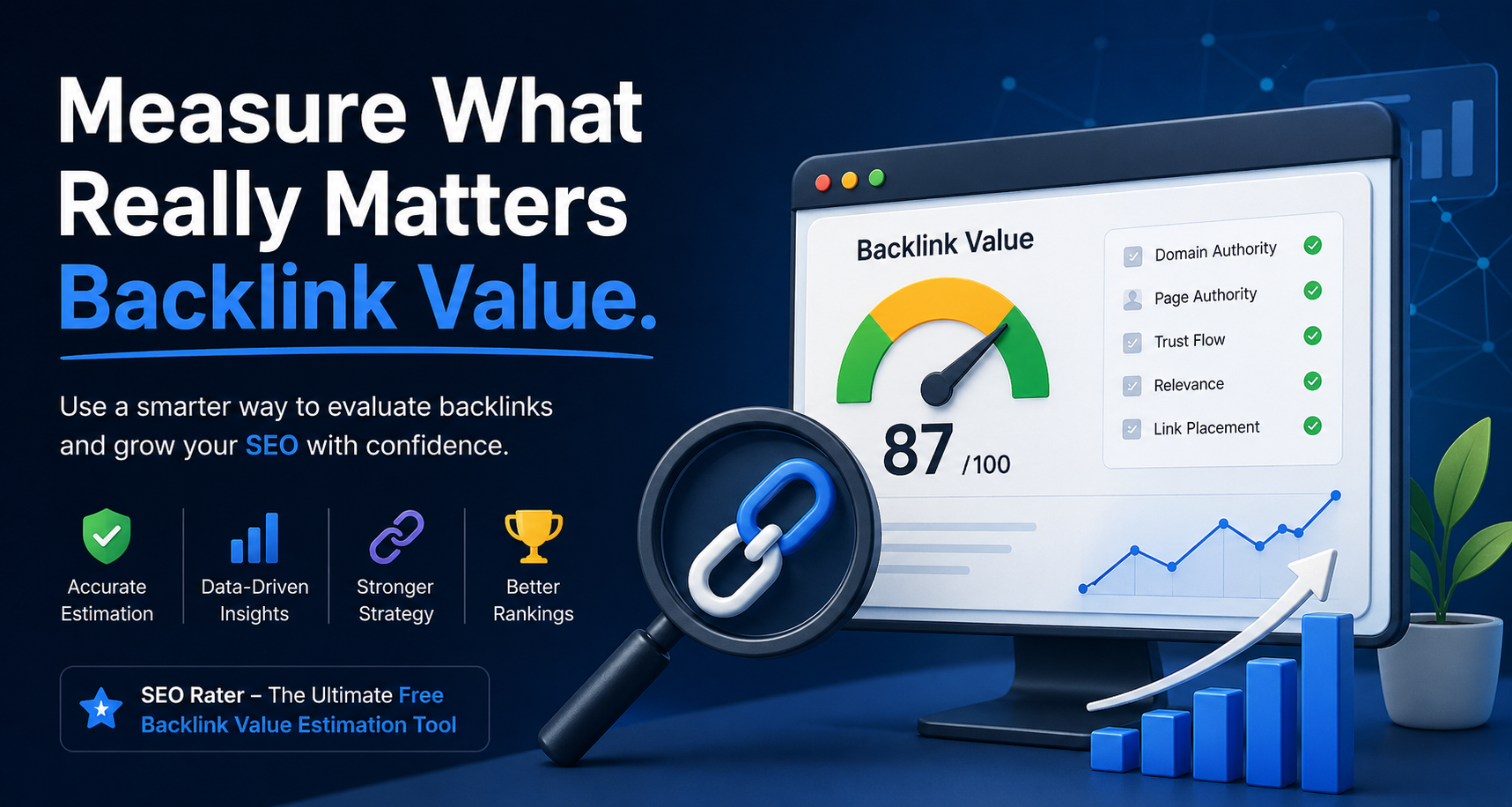
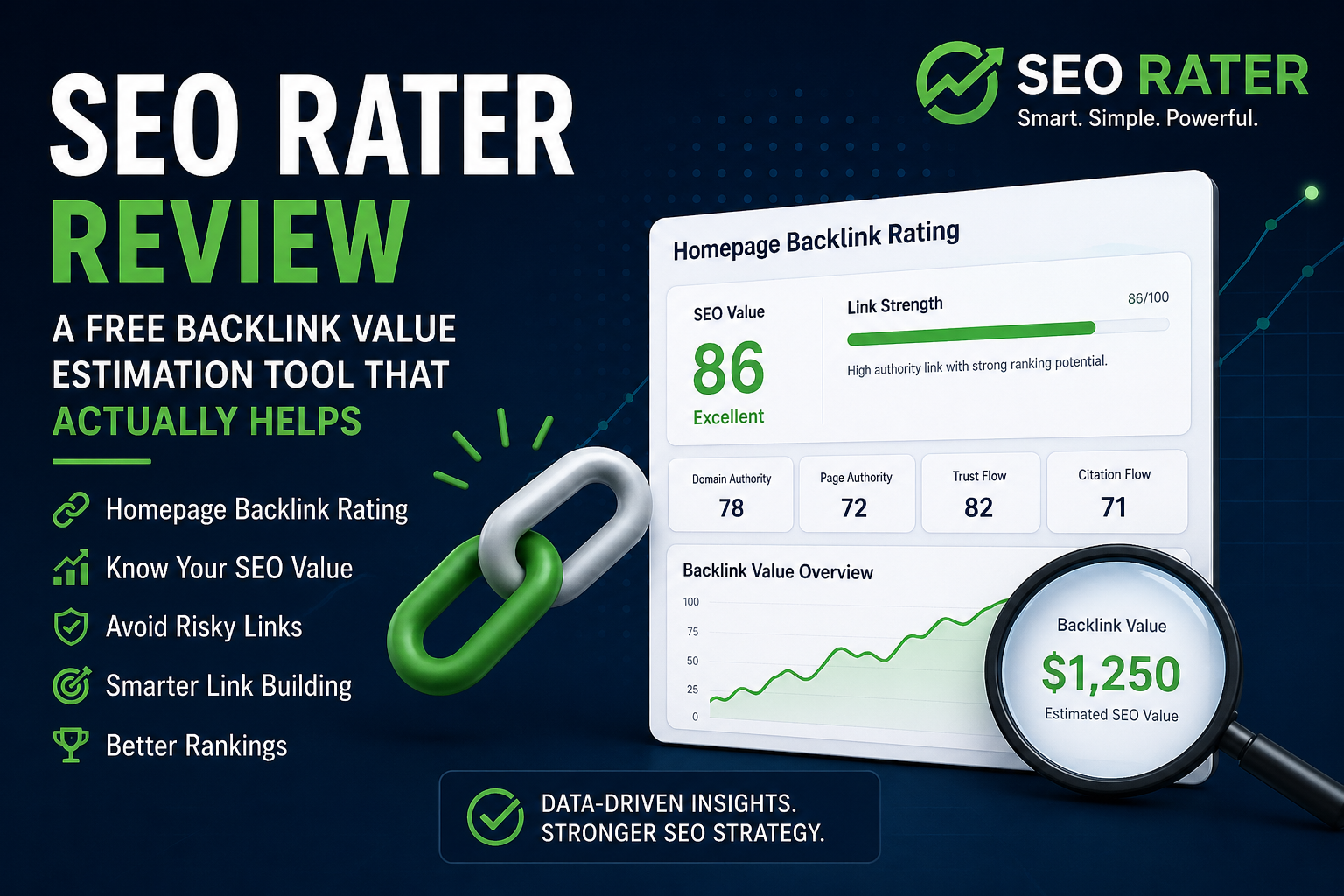
A new free SEO tool focused on estimating backlink value has entered the scene, drawing attention from marketers, agencies, and independent site owners searching for clearer link-building decisions. The newly introduced platform focuses specifically on evaluating homepage backlinks — often considered the most influential yet hardest-to-price placements in modern SEO. Rather than relying on scattered metrics, the tool aggregates multiple signals into a single rating designed to estimate potential impact. 📢
Early users exploring the Website Rating Tool report that the approach feels more practical than traditional metric-checking workflows. Instead of manually comparing authority scores, traffic estimates, and trust indicators across multiple platforms, the system delivers a consolidated rating intended to reflect the real-world strength of a homepage backlink. This shift toward simplified evaluation could significantly reduce the time spent analyzing link opportunities.
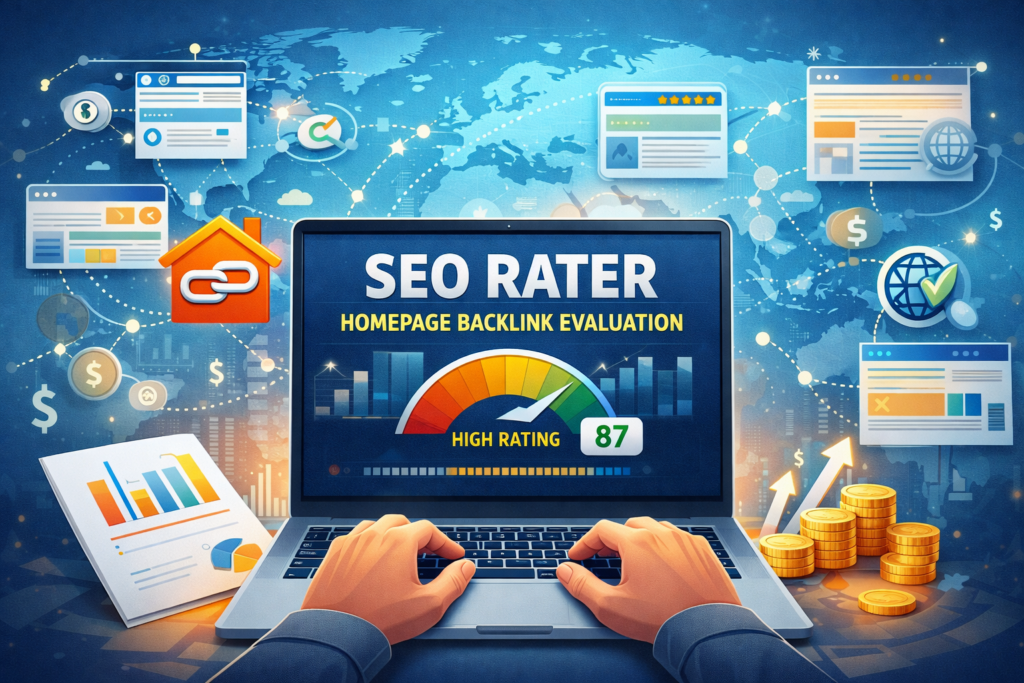
The platform, available at SEORater.com, positions itself as a lightweight but focused solution rather than an all-in-one SEO suite. According to the announcement, the goal is not to replace established tools but to complement them by offering a clearer interpretation of backlink value. The emphasis is on decision-making — helping users determine whether a homepage link is worth pursuing before investing resources. 🧭
Homepage Backlinks Continue to Dominate Strategic Link Building
Homepage backlinks remain one of the most influential assets in SEO strategy. Because the homepage typically sits at the top of a website’s internal structure, links placed there often pass authority across multiple pages rather than benefiting just one URL. This broader distribution of link equity makes homepage placements particularly valuable for strengthening overall domain authority.
However, not all homepage backlinks deliver the same results. Some come from actively maintained websites with strong internal linking and consistent traffic, while others originate from outdated or weak domains. Without a reliable evaluation method, distinguishing between these opportunities becomes difficult. 📊
The introduction of a consolidated rating system aims to address this challenge. By combining multiple SEO indicators into a single value, the tool provides a clearer perspective on potential impact. This helps marketers identify high-value homepage placements and avoid investing in links that may offer limited benefit.
Faster Evaluation for Modern SEO Workflows
Traditional backlink analysis often involves switching between multiple tools, checking domain authority, reviewing traffic estimates, analyzing outbound links, and interpreting conflicting metrics. This process can slow down outreach campaigns and make large-scale link building inefficient.
The rating-based approach simplifies this workflow. Instead of conducting full manual evaluations for every opportunity, users can quickly review an estimated backlink value and determine whether deeper analysis is needed. This filtering step can significantly reduce time spent reviewing low-impact placements. ⚡
For agencies managing multiple clients, this speed advantage becomes especially valuable. Teams can prioritize outreach toward stronger opportunities and avoid wasting effort on weaker domains.
Budget Allocation Becomes More Strategic
One of the biggest challenges in link building is determining how much a homepage backlink is actually worth. Pricing varies widely, and without a standardized evaluation, marketers often rely on intuition when making investment decisions.
By introducing a measurable rating, the platform allows users to compare opportunities more consistently. This structured comparison helps prioritize placements with stronger potential returns while avoiding overspending on average links. Over time, this leads to a more efficient allocation of SEO budgets. 💰
Consistent evaluation also makes it easier to track performance. When marketers focus on higher-rated homepage backlinks, they can monitor how these placements influence rankings and refine their strategy accordingly.
Supporting Partnership Negotiations
Negotiating homepage backlinks often involves subjective claims about authority and traffic. Site owners may highlight specific metrics, but without a unified benchmark, comparing opportunities remains difficult.
A consolidated backlink rating provides a reference point during these discussions. Marketers can evaluate whether a placement aligns with its asking price and negotiate more confidently. This creates a more balanced dynamic between buyers and publishers. 🤝
Over time, this transparency may influence the broader marketplace. High-quality homepage placements could command premium pricing, while weaker opportunities may need additional incentives to remain competitive.
Risk Management in Link Acquisition
Link-building campaigns carry inherent risks, especially when working with unfamiliar domains. Some websites may display strong metrics but lack long-term authority or rely on questionable backlink profiles. Without careful evaluation, these placements can weaken an SEO strategy.
The aggregated rating approach helps identify potential inconsistencies early. By combining multiple indicators, the tool reduces reliance on any single metric and encourages more cautious decision-making. ⚠️
This is particularly important for long-term SEO strategies. Instead of focusing solely on link quantity, marketers can prioritize sustainable authority growth.
Tracking Backlink Performance Over Time
Another advantage of consistent rating-based evaluation is the ability to track results across campaigns. When homepage backlinks are measured using the same criteria, patterns begin to emerge. Certain rating ranges may correlate with stronger ranking improvements.
This data-driven feedback loop allows marketers to refine outreach strategies. Rather than experimenting blindly, they can focus on opportunities that historically deliver better outcomes. 📈
For agencies, this consistency also improves reporting. Instead of counting links, teams can demonstrate improvements in backlink quality and expected impact.
Competitive Implications for SEO Campaigns
As structured backlink evaluation becomes more common, competition for high-value homepage placements may increase. Websites offering strong authority and clean link profiles could become more desirable, while weaker domains may lose demand.
This shift could encourage publishers to improve homepage quality and maintain stronger internal linking. In turn, the overall ecosystem of homepage backlinks may become more performance-driven. 🚀
Marketers who adopt rating-based evaluation early may gain a competitive advantage. By consistently securing higher-value homepage links, they can gradually strengthen domain authority and improve visibility.
A Focused Tool in a Crowded SEO Landscape
The SEO industry is filled with comprehensive platforms offering keyword tracking, technical audits, and competitor analysis. This new backlink rating solution takes a more focused approach by concentrating on a single challenge: evaluating backlink value.
This specialization makes it easier to integrate into existing workflows. Instead of replacing other tools, it complements them by providing clarity at a critical decision point. 🧩
Early reactions suggest this simplicity is part of its appeal. By focusing on practical evaluation rather than feature overload, the platform remains accessible and efficient.
Looking Ahead
The introduction of a free homepage backlink rating platform reflects a broader shift in SEO toward smarter decision-making. As competition increases, understanding the true value of backlinks becomes more important than simply acquiring more links.
Structured evaluation helps marketers invest resources more effectively, negotiate better placements, and build stronger authority over time. While no tool guarantees rankings, clearer decision-making can significantly improve outcomes.
If adoption continues to grow, rating-based backlink evaluation may become a standard step in link-building workflows. And in a field where small advantages compound, choosing stronger homepage backlinks could make a measurable difference in long-term SEO performance. 🎯